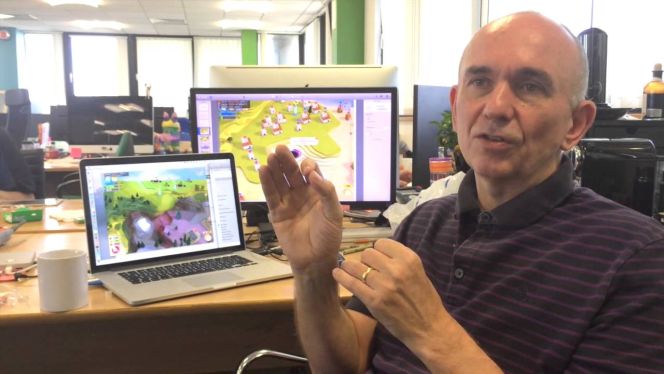
Peter Molyneux is a name that once commanded reverence in the gaming world. The creative force behind Populous, Black & White, and Fable was hailed as a visionary—until the vision started collapsing under its own weight. What followed wasn’t just failed games. It was a trail of broken trust, lost investments, and crushed expectations. Behind every overpromised project stood real people: backers who emptied wallets, developers who sacrificed years, and publishers who bet big on a fading legend. This is their story.
The Cult of Personality and the Collapse of Trust
Molyneux built his reputation on grand ideas—games that promised godlike control, emotional AI, and worlds shaped by player choice. But somewhere between concept and code, reality cracked. The turning point wasn’t one failure. It was a pattern. Fable II delivered charm, Fable III delivered resentment. And when Lionhead Studios was shuttered by Microsoft in 2016, the writing was on the wall: the golden age was over.
But the real fallout hit harder with Godus, a Kickstarter-funded god game launched in 2012. Promised as a spiritual successor to Populous, it raised over $876,000 from 17,000 backers. What they got was a stripped-down, barely functional prototype that never evolved. Molyneux’s daily "Godus Logs," once a charm, became a running joke—a stream of excuses masked as updates.
Backers weren’t just disappointed. They were out real money. And many never got refunds.
The Backers Who Funded a Fantasy
Crowdfunding turned fans into investors, but without investor protections. On Kickstarter, there’s no guarantee of delivery. And when Molyneux pitched Godus, he didn’t pitch a prototype. He pitched a revolution.
“Imagine a world where your decisions ripple across continents, where civilizations rise and fall at your whim,” he wrote in the campaign.
Reality? The final release in 2014 was a pixelated, menu-heavy simulation with no multiplayer, no continent-shaping, and no divine AI. Players who paid $30 for early access got a game that looked like a mobile app from 2009.
One backer, James Holloway, a developer from Manchester, pledged $100 for a “Producer” tier. He expected beta access, a digital artbook, and a name in the credits. What he got was two years of vague updates and a final product so underwhelming he uninstalled it in 20 minutes.
“I didn’t just lose $100,” he said in a Reddit thread. “I lost faith in the entire crowdfunding model when big names abuse their influence.”
Thousands felt the same. And yet, many stayed silent—not out of satisfaction, but resignation.
The Developers Who Lost Years, Not Just Paychecks
Behind Godus was 22cans, Molyneux’s post-Lionhead studio. Hired on the promise of innovation, developers joined expecting to build the future. Instead, they were stuck iterating on a broken core, chasing a vision that kept shifting.
One anonymous developer, who worked on the project from 2013 to 2015, described a chaotic environment:
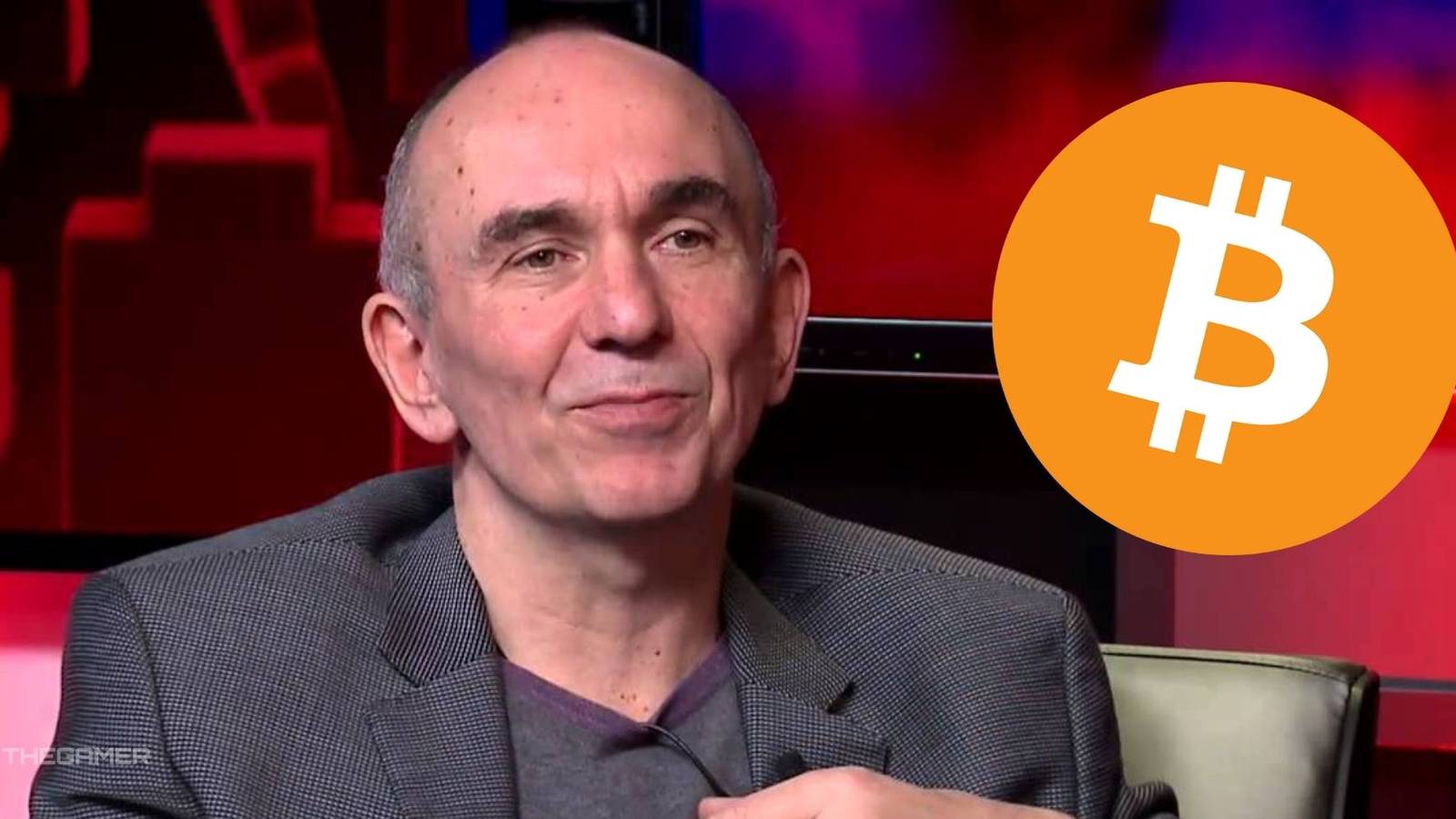
“We’d have a meeting where Peter would say, ‘This game will let players evolve life from single cells to space-faring civilizations.’ Then the next day, we’d be debugging pathfinding for cubes. The scope was insane. No roadmap. Just dreams.”
When Curiosity: What’s Inside the Cube?—a viral mobile experiment—was rebranded as the foundation for Godus, morale plummeted. The game had been a gimmick: tap a cube until you reached the center, win a prize. Using it as the base for a major title felt like a betrayal of engineering principles.
Team members left quietly. Some took pay cuts. Others watched their careers stall as the project dragged on without clear milestones. By 2016, 22cans had downsized to a skeleton crew. The talent drain wasn’t just a loss for the studio—it was a loss for the industry.
Publishers Who Bet on the Brand, Not the Product
Long before crowdfunding, publishers bankrolled Molyneux’s ambitions. And they paid the price.
EA invested heavily in Dungeon Keeper, betting on Molyneux’s name to revive a classic. The 2014 mobile version was a free-to-play catastrophe—gacha mechanics, paywalls, and no soul. Players revolted. Critics savaged it. EA pulled it from stores in 2016.
But the bigger casualty was Microsoft. After acquiring Lionhead in 2006, Microsoft expected Fable to be its answer to The Elder Scrolls. Instead, Fable Legends—a multiplayer spinoff—was canceled in 2016 after five years and an estimated $60 million in development costs.
Internal reports suggest Microsoft grew frustrated with Molyneux’s habit of overpromising and underdelivering. Executives who once tolerated his flair for drama began questioning ROI. When the studio closed, it wasn’t just a creative failure. It was a financial reckoning.
The Ripple Effect on Crowdfunding and Game Development
Molyneux’s fall didn’t happen in a vacuum. It became a cautionary tale for the entire indie development scene.
After Godus, backers grew wary of celebrity-led Kickstarters. The Scrolls backlash (Mojang), the Yatagarasu delays (Double Fine), and Shroud of the Avatar’s broken promises all echoed the same theme: big names don’t guarantee good games.
Platforms like Kickstarter and Fig started adding stricter guidelines. Some developers began releasing playable demos before fundraising. The era of “trust us, we’re veterans” was over.
But the damage was done. Small studios now face an uphill battle convincing backers they’re not another Godus.
Why Molyneux Still Has Defenders
Despite the wreckage, Molyneux isn’t universally hated. Some see him as a misunderstood idealist, not a fraud.
“He’s not dishonest—he’s just bad at managing expectations,” said game historian Tom Jubert. “His sin isn’t deception. It’s enthusiasm unchecked by realism.”
There’s truth to that. Molyneux rarely lied outright. He just painted futures that software, budgets, and time couldn’t deliver. The problem was, he sold those futures like they were guarantees.
And that’s where the moral line blurs. In tech and gaming, vision matters. But so does delivery. And when the person selling the dream is the same person cashing the checks, the line between optimism and exploitation gets thin.
The Cost of Broken Promises Is Measured in More Than Money For every backer who lost $30, there was a developer who lost three years. For every publisher that wrote off millions, there was a community that stopped believing in innovation.
/cdn.vox-cdn.com/uploads/chorus_image/image/70269281/112379621.0.jpg)
The real cost of Molyneux’s failed legacy isn’t just unfinished games. It’s the erosion of trust in creative risk-taking. It’s the hesitation now baked into crowdfunding. It’s the fear that the next “visionary” is just another showman with a PowerPoint.
Consider the fate of similar projects post-Godus: - Fez II was canceled after Phil Fish’s public meltdown. - Star Citizen continues to ship vaporware despite $600M+ raised. - Bloodwash delivered a broken game to backers and vanished.
A pattern emerges: when developers confuse ambition with delivery, someone pays. Usually, it’s the players.
Lessons for Backers and Builders Alike
If there’s a takeaway, it’s this: enthusiasm is not a business plan.
For backers, the lesson is due diligence. Don’t back a name—back a track record of shipped products. Ask for prototypes. Look for roadmaps. If a pitch sounds too good to be true, it probably is.
For developers, scope control is survival. Molyneux’s fatal flaw wasn’t imagination—it was the refusal to kill his darlings. Great games ship. Legendary games? They often die in development.
And for publishers, reputation can’t override accountability. Just because someone created a classic doesn’t mean they can repeat it. Invest in teams, not icons.
A Legacy Rewritten by Disappointment
Peter Molyneux isn’t a scammer. But he’s not a misunderstood genius, either. He’s a cautionary tale of what happens when charisma outpaces capability.
The players who lost money on his failed legacy weren’t just funding games. They were funding a myth—that one man could change gaming forever. And when the myth collapsed, the cost wasn’t just financial. It was emotional.
Today, 22cans still exists. Godus Wars, a strategy spinoff, launched in 2020 to little fanfare. The forums are quiet. The updates are sparse. The dream is over.
But the scars remain. For every silent backer, every ex-developer, every publisher that walked away bruised—there’s a reminder: in gaming, as in life, promises are cheap. Delivery is everything.
Act now: Before pledging to any project, demand transparency. Play demos. Check development logs. And never let a name override your judgment.
FAQs
Who funded Peter Molyneux’s Godus project? Godus was funded through Kickstarter, raising $876,000 from over 17,000 backers.
Did Peter Molyneux refund Godus backers? No, there were no widespread refunds. Despite criticism, 22cans maintained the game was delivered, albeit far below promised scope.
What happened to Lionhead Studios? Lionhead Studios was closed by Microsoft in 2016, two years after the release of Fable Legends was canceled.
Is Godus still playable today? Yes, Godus is still available on PC, but it remains a fraction of what was promised in the Kickstarter campaign.
Why did Fable Legends get canceled? Fable Legends was canceled due to poor progress, lack of market confidence, and Microsoft’s strategic shift away from the franchise.
Did Peter Molyneux admit fault for overpromising? Yes, in a 2015 interview with Eurogamer, Molyneux admitted he had a “flaw” in overhyping his games and vowed to change.
What is 22cans working on now? As of 2020, 22cans released Godus Wars, a strategy-focused offshoot, but has been largely inactive since.
FAQ
What should you look for in The Players Burned by Peter Molyneux’s Broken Promises? Focus on relevance, practical value, and how well the solution matches real user intent.
Is The Players Burned by Peter Molyneux’s Broken Promises suitable for beginners? That depends on the workflow, but a clear step-by-step approach usually makes it easier to start.
How do you compare options around The Players Burned by Peter Molyneux’s Broken Promises? Compare features, trust signals, limitations, pricing, and ease of implementation.
What mistakes should you avoid? Avoid generic choices, weak validation, and decisions based only on marketing claims.
What is the next best step? Shortlist the most relevant options, validate them quickly, and refine from real-world results.