Machines don’t warn you twice. A momentary lapse during maintenance—a forgotten valve, an unsecured power source—can lead to amputation, electrocution, or worse. Across manufacturing, construction, and industrial facilities, improper energy control remains one of the deadliest oversights. Lockout tagout (LOTO) isn’t just a procedure; it’s the last line of defense between technicians and catastrophic injury.
Yet, in too many workplaces, LOTO is treated as a checkbox rather than a culture. Workers bypass locks, share keys, or rely on verbal assurances instead of verified isolation. These shortcuts don’t just violate OSHA standards—they gamble with lives.
The solution isn’t complexity. It’s clarity, consistency, and competence. These lockout tagout safety tips are drawn from real-world incidents, safety audits, and compliance best practices. Apply them rigorously, and you don’t just avoid fines—you protect people.
Understand the Real Purpose of Lockout Tagout
Lockout tagout exists to control hazardous energy. That includes electrical, mechanical, hydraulic, pneumatic, chemical, thermal, and even stored energy like tension in springs or elevated loads.
Too often, teams focus only on “flipping the switch” without verifying isolation. But LOTO isn’t about convenience—it’s about certainty. A lock physically prevents re-energizing. A tag communicates why and who. Together, they create a system where no one can accidentally start a machine during servicing.
For example: A maintenance tech opens a conveyor system for belt alignment. Without LOTO, a coworker resets a tripped breaker, assuming the line is idle. The conveyor lurches to life. The result: crushed fingers or worse. With proper LOTO, the energy source is locked, and a tag explains the ongoing work—preventing that reset entirely.
Develop Clear, Equipment-Specific LOTO Procedures
One-size-fits-all doesn’t work in energy control. A forklift battery disconnect requires different steps than isolating a 480V motor control center.
Every piece of equipment with hazardous energy potential needs a documented LOTO procedure. These should include:
- Specific energy sources (e.g., main disconnect, hydraulic shutoff)
- Step-by-step shutdown and isolation sequence
- Lock application points
- Verification method (e.g., “test for zero energy”)
- Authorized personnel roles
Real-world example: At a Midwest food processing plant, a single LOTO procedure covered “all mixers.” During servicing, a technician missed a secondary steam valve, assuming it was off with the main shutoff. Residual steam pressure caused a scalding injury. Afterward, the company rewrote procedures—each mixer now has a unique checklist, verified during onboarding and refresher training.
Procedures must be accessible—posted near equipment or available digitally on tablets. They’re not paperwork; they’re survival guides.
Train Authorized and Affected Employees Differently
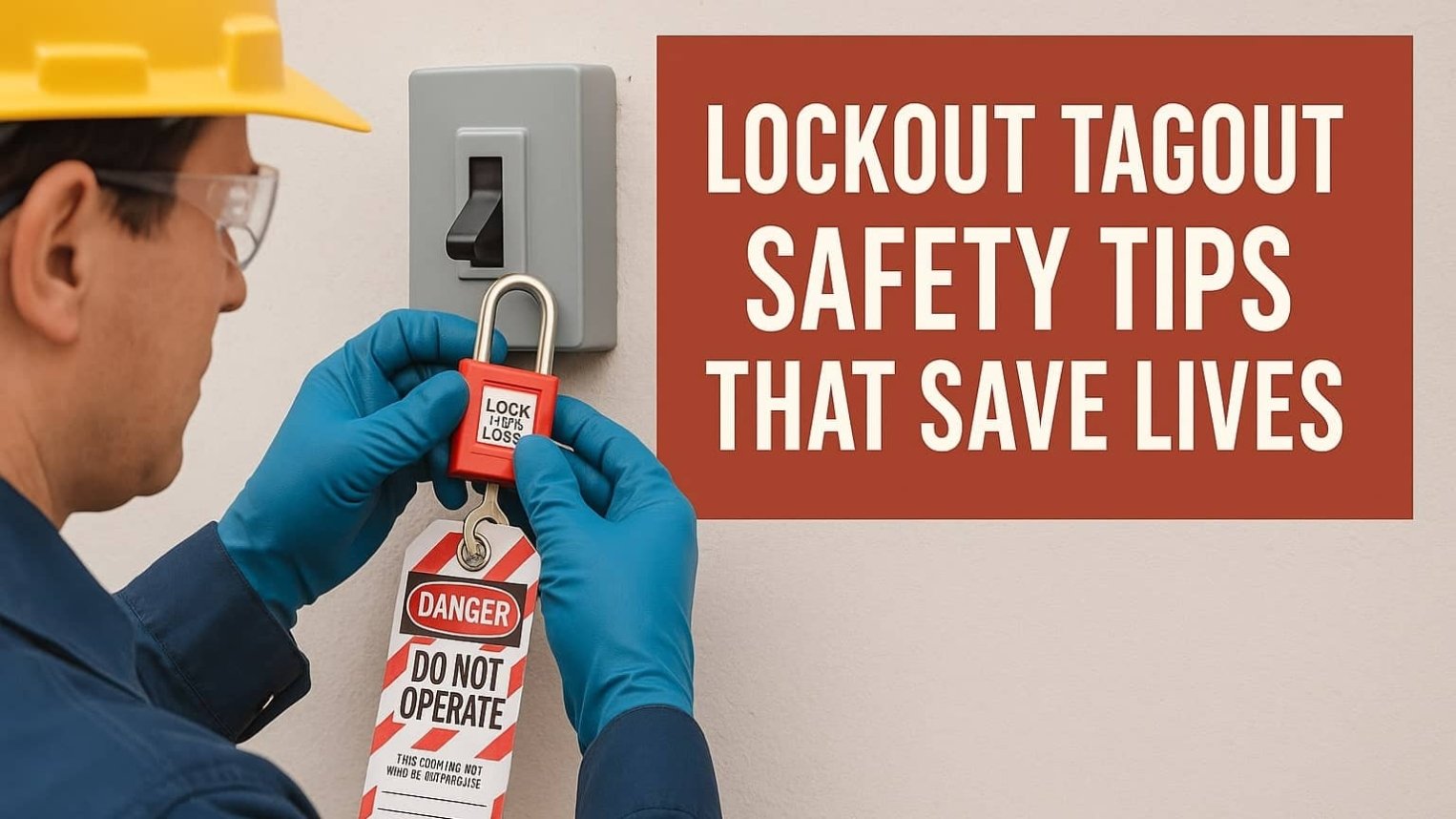
Not everyone needs to lock out—but everyone must understand their role.
- Authorized employees perform LOTO and service equipment. They must be trained on procedures, lock application, and energy verification.
- Affected employees operate or use the equipment but don’t service it. They must know what LOTO means, why it’s in place, and that they must never remove a lock or restart locked-out machinery.
A common breakdown? Supervisors allowing operators to “just reset the breaker” during a minor jam—even with a tag in place. This violates both protocol and trust. Training must reinforce that a lock is non-negotiable.
Tip: Use mock drills. Simulate a locked-out machine and observe how staff respond. Reinforce correct behavior. Correct violations immediately.
Use the Right Lockout Devices for the Job
Your LOTO program is only as strong as the hardware supporting it. Generic locks or flimsy tags won’t hold up under pressure—or scrutiny.
Choose devices based on:
- Environmental conditions (wet, oily, outdoor)
- Energy type (electrical, pneumatic)
- Equipment design (padlock hasps, valve covers, plug locks)
Recommended Lockout Devices
| Device Type | Best For | Key Features |
|---|---|---|
| Steel Padlocks | Main disconnects, control panels | Durable, keyed-alike or keyed-different options |
| Valve Lockouts | Pneumatic, hydraulic lines | Fits multiple valve types, prevents operation |
| Circuit Breaker Locks | Electrical panels | Slides over breaker handle, accepts padlocks |
| Plug Lockout Devices | Corded equipment | Secures plug in outlet, prevents reinsertion |
| Hasp Lockouts | Multi-person scenarios | Allows multiple locks on one isolation point |
Color-coding helps too. Red for electrical, yellow for mechanical, green for reset—these visual cues reduce confusion during high-stress situations.
And never underestimate the tag. It should include: - Name of authorized employee - Date and time of lockout - Reason for isolation - Department or team
A lock stops a machine. A tag tells the story.
Never Skip Energy Verification Locking out isn’t enough. You must verify zero energy. After isolating all sources, attempt to operate the machine using its normal controls. This proves it can’t start. Then, check for residual energy—bleed lines, discharge capacitors, or release springs.
Common mistake: Assuming a visual disconnect (like an open breaker) means no energy. In one case, a technician locked out a circuit but didn’t test downstream. A backfed control circuit still carried 120V. He received a shock while handling wiring.
- Verification steps:
- Turn off machine using normal stop procedure.
- Shut off and lock out all energy isolating devices.
- Release or block stored energy (e.g., bleed air lines).
- Attempt to start the machine (shouldn’t operate).
- Use test instruments to confirm zero energy.

This step can’t be delegated. The authorized employee must perform it personally.
Prevent Common LOTO Violations Even in safety-conscious environments, violations creep in.
Top 5 LOTO Mistakes (and How to Fix Them):
- Group Lockout Without Coordination
- Multiple workers on one machine, but only one lock applied. Fix: Use a group lockout box. Each technician applies their own lock. The machine stays locked until all remove theirs.
- Using Personal Locks for Others
- A supervisor locks out for a technician who’s delayed. Fix: Only the authorized employee applies and removes their lock. Exceptions require strict protocols and immediate handover.
- Tag-Only Systems When Locks Are Possible
- Tags are warnings. Locks are physical barriers. If you can lock it, you must. Fix: Audit equipment for lockable points. Install hasps or brackets where needed.
- Leaving Locks On After Work
- Forgotten locks create delays and temptation to bypass. Fix: Enforce lock removal immediately after servicing. Use lock logs to track.
- Bypassing LOTO for “Quick Fixes”
- “It’ll just take 30 seconds” is how accidents happen. Fix: No exceptions. If energy is hazardous, LOTO applies—even for 10 seconds.
Culture beats policy every time. When leadership follows LOTO rigorously, so do teams.
Audit and Improve Your LOTO Program Regularly
A LOTO program isn’t static. Equipment changes. Staff rotate. Procedures degrade.
Conduct annual inspections of each LOTO procedure. Watch an authorized employee perform the full sequence—lockout, verification, servicing, cleanup, restart.
The inspector should: - Confirm all steps are followed - Check for missed energy sources - Verify tags are clear and complete - Observe use of proper devices
Findings must lead to action. If 3 out of 10 technicians skip verification, retrain the team. If a new machine lacks a procedure, create one within 48 hours.
Example: A pharmaceutical plant reduced LOTO incidents by 70% after introducing quarterly surprise audits. Workers knew procedures would be tested—so they stayed sharp.
Build a LOTO-First Culture The best lockout tagout safety tip isn’t technical—it’s cultural.
When a technician sees a lockout in progress, they should feel respect, not frustration. When a manager sees a delayed restart due to LOTO, they should praise the discipline, not question the downtime.
Start with leadership. Supervisors must model perfect LOTO behavior. Recognize teams that follow procedures flawlessly. Share near-miss stories—without blame—to reinforce lessons.
And remember: LOTO isn’t red tape. It’s the reason someone walks home whole at the end of their shift.
Implement these lockout tagout safety tips systematically. Write clear procedures. Train rigorously. Inspect honestly. Replace complacency with consistency. Because when the machine powers on, it should never be a surprise.
FAQ
What should you look for in Essential Lockout Tagout Safety Tips for Every Workplace? Focus on relevance, practical value, and how well the solution matches real user intent.
Is Essential Lockout Tagout Safety Tips for Every Workplace suitable for beginners? That depends on the workflow, but a clear step-by-step approach usually makes it easier to start.
How do you compare options around Essential Lockout Tagout Safety Tips for Every Workplace? Compare features, trust signals, limitations, pricing, and ease of implementation.
What mistakes should you avoid? Avoid generic choices, weak validation, and decisions based only on marketing claims.
What is the next best step? Shortlist the most relevant options, validate them quickly, and refine from real-world results.